

 See My Latest Article on HelloNation
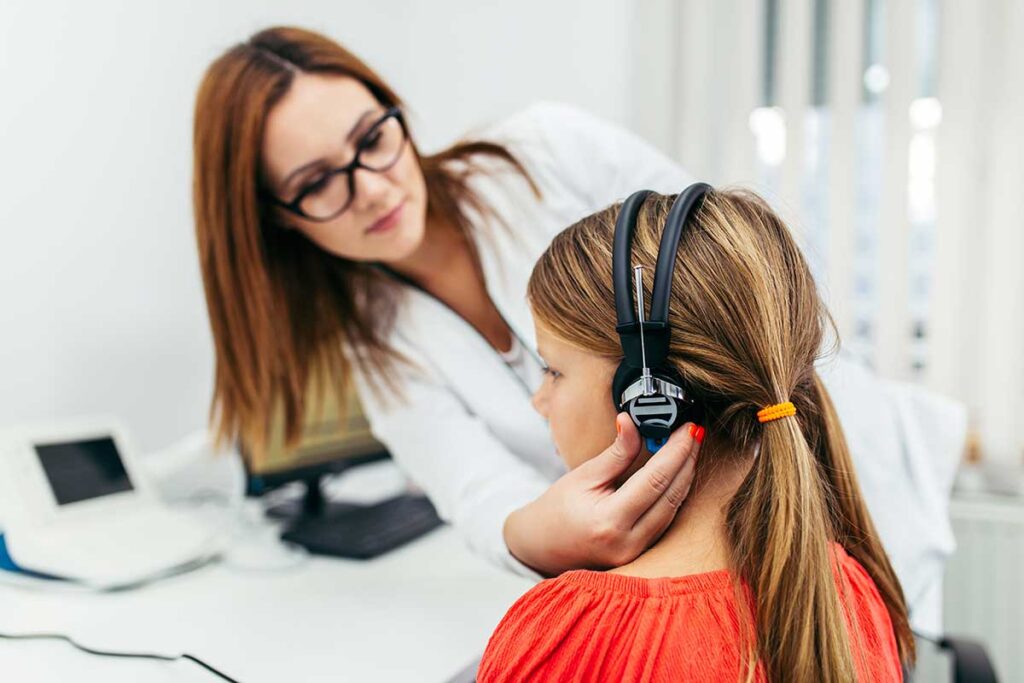
How Does Aging Affect Hearing?
Many people experience gradual changes in hearing as they get older. This process, called presbycusis, typically develops over several years. Hearing loss related to age usually affects both ears equally and most often impacts higher-pitched sounds first. For most in Southlake, these changes become noticeably challenging in everyday situations like conversing in busy restaurants or following the dialogue in movies.
Hearing loss in older adults happens primarily because tiny hair cells inside the inner ear—responsible for sending sound signals to the brain—become less effective due to wear and tear. Genetics, regular exposure to loud noise, certain health conditions, and medications can also influence how quickly these changes progress.
What Are the Early Signs of Hearing Difficulty in Older Adults?
Early indicators of age-related hearing loss are often subtle. Recognizing them can help households in the community reduce frustration and support loved ones.
Some common signs include:
- Frequently asking others to repeat themselves
- Difficulty hearing conversations when there is background noise
- Misunderstanding spoken words, particularly consonants like “s” and “th”
- Turning up the TV or radio volume higher than others prefer
- Trouble following group conversations or phone calls
Residents who notice these changes—either in themselves or family members—may benefit from being open about these experiences, as gradual adjustment can help maintain social connections.
Is Age-Related Hearing Loss Preventable?
While the natural aging process cannot be stopped, some risk factors can be managed. Area households often wonder how much can actually be prevented, and whether lifestyle choices matter.
There are some practical steps to help preserve hearing function:
- Minimize ongoing exposure to loud sounds, such as power tools or loud music
- Use hearing protection like earmuffs during potentially noisy yard or home projects
- Manage chronic health conditions, such as high blood pressure or diabetes, which can impact ear health
- Avoid putting foreign objects in the ear, which could potentially cause injury
It’s a common misconception that only noise causes hearing loss. In reality, both age and repeated exposure to moderate loudness, like lawncare equipment or nearby construction, can combine to affect ear function.
How Can Age-Related Hearing Loss Impact Daily Life in Southlake?
Hearing changes can make everyday tasks in the city more challenging, especially in environments with competing sounds—such as community events, busy shopping areas, or social gatherings in local homes. Some residents may withdraw from activities they once enjoyed, leading to possible isolation.
Common impacts include:
- Struggling to follow conversations during family gatherings or at places of worship
- Finding it difficult to hear alarms, doorbells, or public address announcements, which may affect safety
- Misunderstanding important details in meetings or appointments

Over time, these challenges can impact mental health or confidence levels. Staying engaged and seeking ways to adapt—whether through hearing-friendly communication strategies or use of helpful devices—can make a meaningful difference.
What Misconceptions Do Local Residents Have About Age-Related Hearing Changes?
Some area residents mistakenly believe that hearing loss is an unavoidable part of growing older and that nothing can be done to help. Others may worry about stigma or embarrassment, holding back from discussing their hearing challenges.
Another common myth is that hearing loss is only a concern if it is “severe.” In reality, even mild or moderate difficulty can affect relationships and quality of life. Small adjustments in daily conversations—such as facing the speaker, reducing background noise, or using enhanced sound devices—can be highly effective.
When Should Local Residents Consider Seeking Professional Input?
If hearing challenges interfere with communication or daily activities, it may be time to learn more about possible causes or support options. Residents should pay special attention if they:
- Consistently miss out on key parts of conversations in quiet settings
- Experience ringing, buzzing, or fullness in the ears (tinnitus)
- Notice a sudden change in hearing in one or both ears
These scenarios can occasionally indicate an underlying medical concern, such as infection or an issue needing prompt attention. In these cases, it is wise to consider medical evaluation to safeguard overall health and well-being.
How Can Families and Friends Support Loved Ones with Hearing Challenges?
Communication remains a cornerstone of connection for many in Southlake. Family members can help by being patient, speaking clearly, and making eye contact when talking. Reducing background noise—like turning down the TV or closing windows during conversations—can also help.
Practical support may come in the form of gentle reminders or positive encouragement, such as suggesting smaller group gatherings or using written notes when needed. These simple adaptations can empower older adults to stay engaged in community life.
What Local Lifestyle Factors Might Influence Hearing Health?
Southlake’s active community and suburban environment mean residents may be exposed to certain noise sources more often than expected. Lawnmowers, home improvement projects, or high-traffic areas can all contribute to long-term sound exposure. Seasonal activities, like spring gardening or outdoor celebrations, sometimes create occasional spikes in local noise.
Similarly, the climate in the region could affect ear health. Maintaining comfortable humidity indoors and avoiding prolonged water exposure (such as swimming without ear protection) can help decrease risks linked to infections or discomfort.