

 See My Latest Article on HelloNation
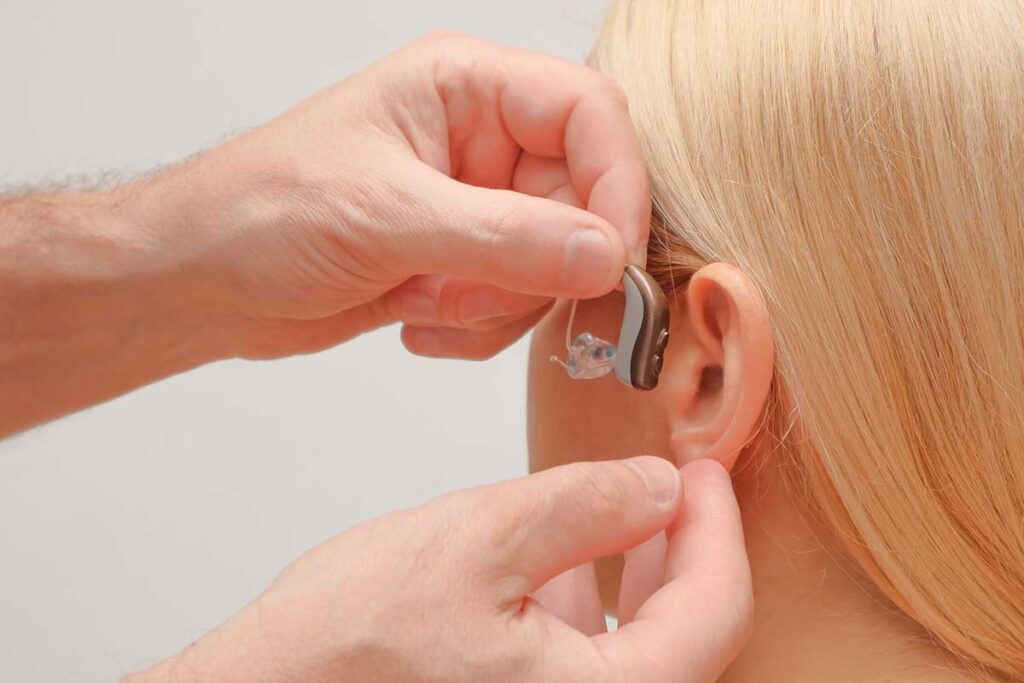
Living in Southlake, TX, means enjoying the beauty of local parks, the excitement of Carroll Dragons games, and the vibrant community events downtown. But these experiences are best enjoyed with full, rich hearing. Many residents wonder: “How can I tell if I need a hearing test?” Whether you’re thriving in a busy household, spending weekends at Bicentennial Park, or enjoying gatherings at Southlake Town Square, healthy hearing ensures you can be fully present in every moment. Here’s what you need to know about recognizing when it’s time to schedule a hearing evaluation.
Why Regular Hearing Checks Matter
Hearing isn’t just about volume—it’s about clarity. Good hearing keeps you connected to family, friends, and life’s little details. In a bustling city like Southlake, where conversations happen in busy restaurants and laughter rings out at local events, undiagnosed hearing loss can go unnoticed until it significantly affects your quality of life. Hearing loss can develop gradually, making it easy to dismiss or overlook early signs. That’s why knowing when to get your hearing checked is crucial.
1. Trouble Following Conversations in Noise
Have you noticed that conversations at bustling cafés along Southlake Boulevard or during Friday night football games are suddenly more difficult to follow? Struggling to hear in noisy environments is one of the most common early signs of hearing loss. If you often ask people to repeat themselves or find yourself nodding along even when you’re not sure what was said, it may be time to get your hearing tested.
2. Family and Friends Notice Changes
Sometimes, others notice changes before you do. Has a loved one suggested you might be missing parts of conversations or turning the TV volume up louder than usual? Southlake’s community spirit means gatherings are a regular part of life—so if you frequently feel left out during family dinners or book club meetings, your hearing might be to blame.
3. Turning Up the Volume
If you find that the TV volume keeps creeping up, or you need your car radio much louder to appreciate local news or Carroll Dragons coverage, your ears might need attention. Partners or housemates who mention the volume is too high are often the first to pick up on the change.
4. Trouble Hearing on the Phone
Many people in Southlake rely on phone calls to keep up with friends, family, or work. Difficulty understanding callers, needing to ask others to repeat themselves, or avoiding calls because of hearing challenges are red flags that shouldn’t be ignored.
5. Missing Everyday Sounds
Southlake’s natural beauty—from the chirping of birds in Bob Jones Nature Center to the chatter during town events—offers plenty of everyday sounds. If these start to fade or you notice you’re missing doorbells, alarms, or even the gentle hum of your favorite coffee shop, it might be time for a professional hearing evaluation.
6. Feeling Tired or Stressed During Conversations
Increased effort to follow conversations—whether at local meetings, church groups, or on the sidelines of a soccer game—can cause fatigue and stress. If listening makes you unusually tired or anxious, your brain could be working overtime to compensate for hearing issues.
7. Social Withdrawal
An active Southlake lifestyle means being invited to community events, farmer’s markets, or group outings. If you start withdrawing from these activities because listening is frustrating or exhausting, untreated hearing loss could be at the root.
Understanding the Local Impact of Hearing Loss
Southlake’s vibrant lifestyle can amplify the effects of hearing changes. Many communal spaces are lively and require you to filter through background noise. Hearing loss doesn’t just make these experiences less enjoyable; it can isolate you from the people and events that make living in Southlake special. Early detection and management can help you stay connected to your community and maintain your independence.
When Should You Schedule a Hearing Test?
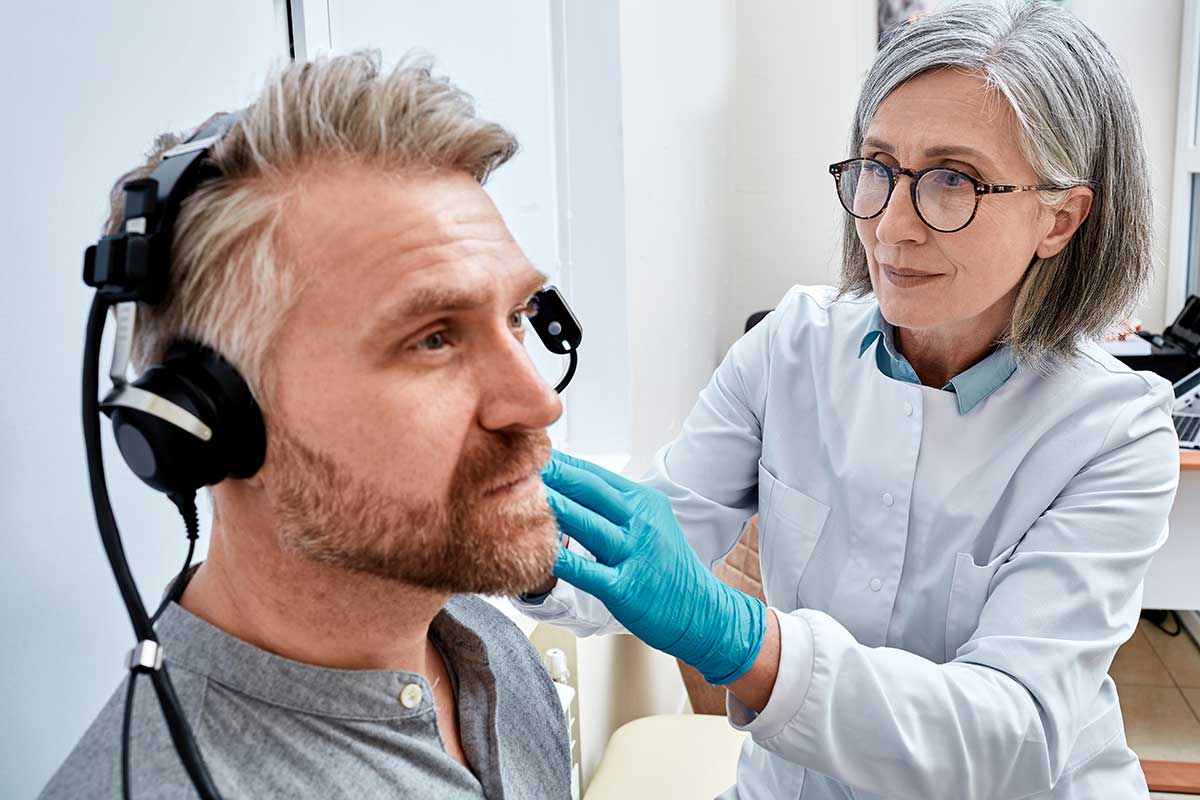
If you recognize any of these signs, don’t wait for your next annual physical. Hearing tests are simple, non-invasive, and can be life-changing. The American Speech-Language-Hearing Association recommends a baseline evaluation at age 50, or earlier if you notice any changes—especially relevant in a community as socially engaged as Southlake.
- You’ve noticed any of the 7 key signs listed above
- You have a family history of hearing loss
- You have frequent exposure to loud environments (think local concerts, sporting events, or even working downtown)
- You simply want a baseline check as part of your annual health routine
What Happens During a Hearing Test?
A comprehensive hearing test with a Southlake audiologist is quick and painless. Generally, you’ll discuss your health and hearing history, and then complete a series of listening exercises to evaluate different aspects of your hearing. The results help determine whether you need treatment, strategies for communication, or even assistive devices.
Enhancing Your Southlake Lifestyle Through Better Hearing
Imagine enjoying concerts in Southlake Town Square, connecting at the local library, or listening to your favorite podcasts and music without strain. Hearing care can significantly improve your everyday experience and overall well-being. If you suspect you might need a hearing test, don’t wait until your connections start to suffer.
Take the First Step
Whether you’re cheering for the Dragons, participating in local charity runs, or just wanting to hear the laughter of your grandkids a little more clearly, make healthy hearing part of your Southlake lifestyle. If you see yourself in any of the signs above, consulting with a trusted audiologist can give you the answers—and solutions—you need for a richer, more engaged life.