

 See My Latest Article on HelloNation
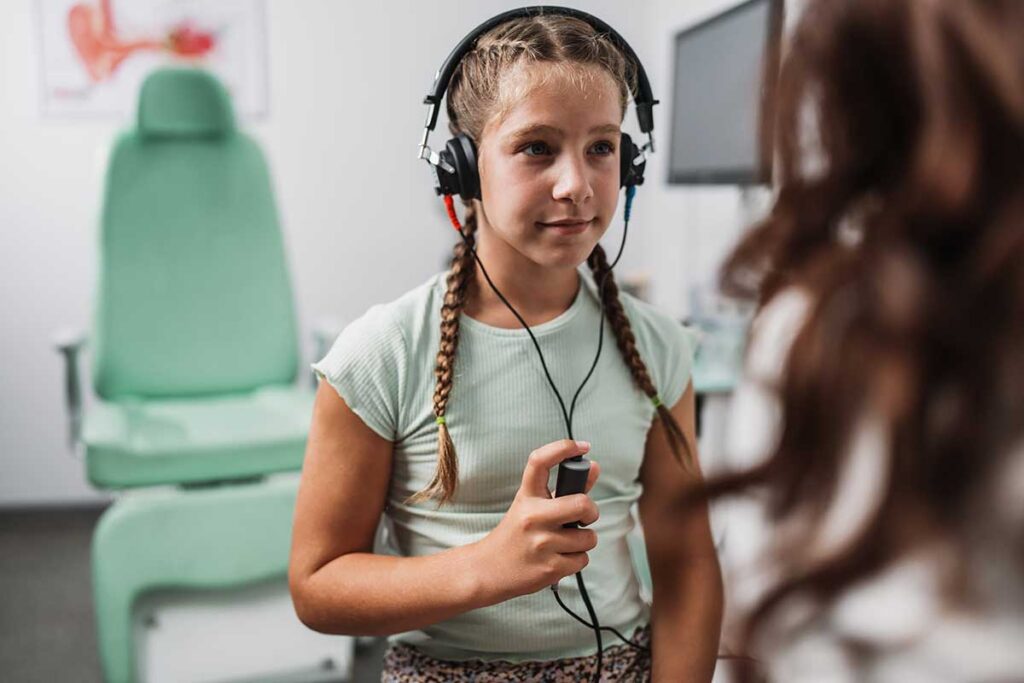
Why Does Hearing Protection Matter at Concerts and Events?
Exposure to high noise levels, even for short periods, can lead to lasting changes in hearing. Concerts, high school football games, local festivals, or holiday parades in Southlake, TX, can easily reach sound levels capable of causing temporary or permanent hearing damage. Most people notice "ringing" in their ears (tinnitus) or muffled hearing after loud events, a sign the delicate cells in the inner ear have been stressed or injured. Even if these symptoms fade, repeated exposure can cause permanent hearing loss over time.
What Noise Levels Are Hazardous During Local Gatherings?
Sounds above 85 decibels (dB) can begin to damage hearing if you are exposed for more than about an hour. Many concerts and large-scale events easily exceed this level, with peaks reaching 100 dB or higher near speakers and crowds. For context:
- Normal conversation is around 60 dB.
- A high school marching band on the field may reach 95–100 dB.
- Fireworks and amplified music events can top 120 dB.
If you must shout to be heard by someone arm’s length away, the sound is likely dangerous for unprotected ears.
How Can Residents in Southlake Reduce Hearing Risk at Concerts and Events?
Simple, repeated actions help lower the chance of lasting damage. Area families and individuals can take the following steps:
- Use earplugs specifically designed for music or high-noise environments. These lower the volume without distorting sound quality, making them a favorite for music fans.
- Take breaks in quieter areas—food stands, restrooms, or outdoor green spaces are good options if available.
- Keep distance from speakers and amplifiers. Even moving a few rows back, or away from the main source of sound, reduces exposure.
Children, in particular, are more vulnerable. Earmuffs designed for smaller heads are widely available and easy to use at community events in open parks or busy gymnasiums.
What Types of Hearing Protection Work Best for Local Activities?
Many people believe standard foam earplugs are the only option, but there are several practical choices that balance protection and enjoyment:
- Reusable silicone or specialized “musician” earplugs lower volume while preserving sound clarity.
- Over-ear noise-reducing earmuffs are excellent for children or those with sensitive ears. These are especially helpful at fireworks displays or for younger residents at family-friendly festivals.
- Custom-molded earplugs exist, but readily available options at most stores or online provide suitable protection for most outings in Southlake.
For those attending events regularly—such as students involved in marching band or adults who go to many live performances—investing in earplugs that maintain sound fidelity makes a difference.
Are Earplugs Uncomfortable or Does Wearing Them Change the Concert Experience?
A common concern is that earplugs dull the experience or cause discomfort. Modern designs solve many of these issues:
- Musician earplugs keep music clear while lowering harmful peaks in volume.
- Soft silicone types come in various sizes so they stay comfortable for longer events and in Southlake’s often humid climate.
- Practice makes a difference; the more often you wear earplugs at loud events, the more natural they feel.
Most people report they can still enjoy performances and conversations—some find that reducing harsh noise makes the event more pleasant overall.
How Can Parents and Guardians Keep Children’s Ears Safe At Community Events?
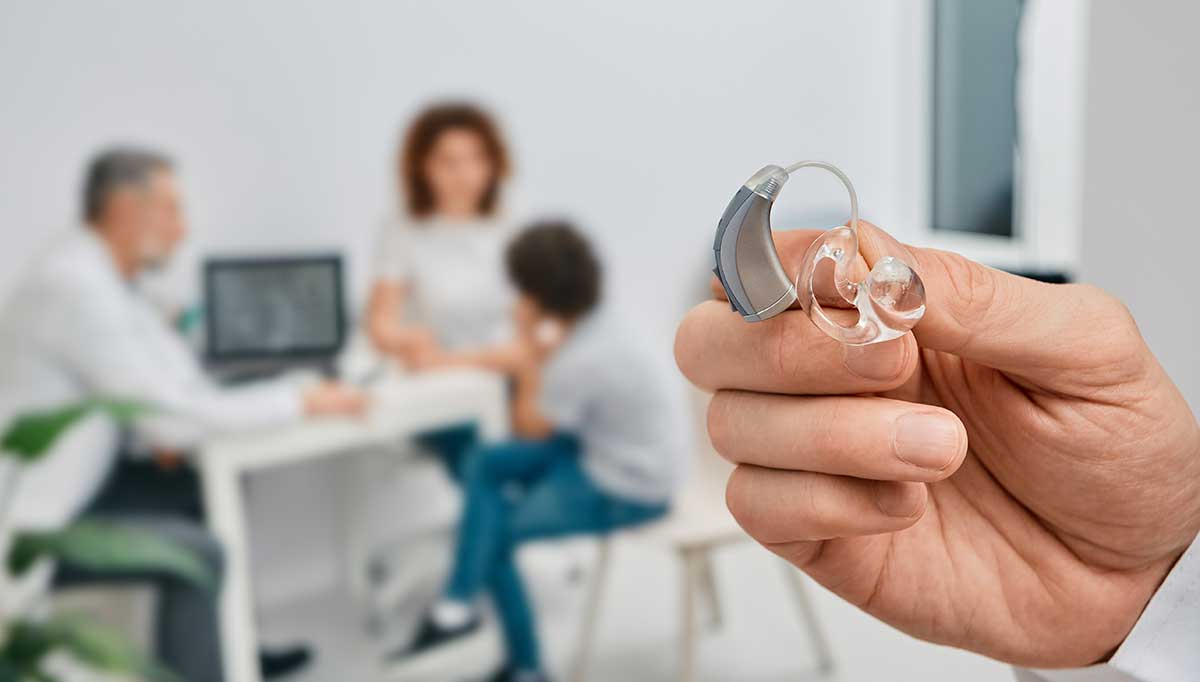
Young ears are sensitive. Popular seasonal celebrations, fireworks, and athletic activities in Southlake often reach sound levels that can harm them. There are several ways adults can help:
- Choose over-ear protection that fits correctly and won’t fall off during movement or excitement.
- Teach children why you’re using ear protection; even young children can learn to put on earmuffs before loud moments.
- Plan ahead—keep hearing protection with your family’s event essentials (alongside sunscreen or water bottles).
For babies and toddlers attending loud outdoor festivals or celebrations, over-ear muffs sized for small children provide the most reliable barrier.
Can Temporary Hearing Symptoms After Events Be Ignored?
Many people experience ringing, buzzing, or muffled sounds after loud events and assume recovery is guaranteed. However, repeated episodes—however brief—mean the inner ear structures are under regular stress. Even if symptoms fade, cumulative exposure over months or years can add up to lasting loss.
If symptoms like ringing or muffled hearing persist for more than a day, or if sudden hearing changes occur, taking time away from noise and seeking evaluation may help minimize permanent effects.
Are There Misconceptions About Loud Events and Hearing Loss?
Some common myths persist in the community:
- “If my ears don’t hurt, I’m safe.” Pain is not a reliable indicator; damage can occur at levels that aren’t painful.
- “Earplugs ruin the experience.” Modern options allow enjoyment of music and conversation while lowering risk.
- “Kids will grow out of sensitivity.” Early exposure only increases long-term risk.
Nearly all hearing loss from noise is preventable with basic strategies that fit naturally into local event routines.
What Else Should Southlake Residents Consider for Hearing Health at Local Events?
Events held outdoors or indoors during summer in Southlake can last for several hours, increasing cumulative exposure to high sound levels. Keeping an extra set of earplugs in your event bag, vehicle, or with your reusable water bottle makes protection easy and convenient. For multisensory events—featuring both loud music and crowd noise—combining hearing protection with scheduled breaks from the main activity helps.
Annually, area residents attend everything from school band performances to the city’s Fourth of July festivities. Choosing consistent protection now helps ensure everyone continues to enjoy these community traditions for years to come.