

 See My Latest Article on HelloNation
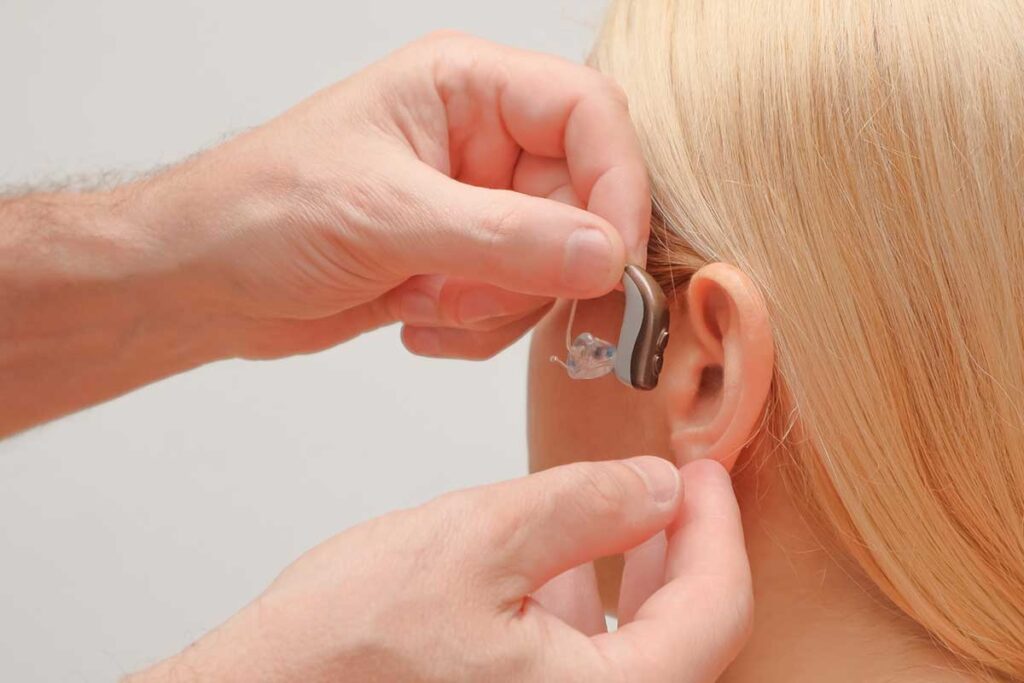
Healthy hearing depends on more than avoiding loud sounds. Diet, physical activity, blood pressure, blood sugar, circulation, and general metabolic health can all influence the conditions that support the inner ear.
For residents of Southlake, TX, everyday routines may include outdoor exercise, home maintenance, youth sports, commuting, and seasonal time near lawn equipment or other loud tools. These activities can affect hearing in different ways, so it helps to understand what nutrition and exercise can—and cannot—do.
Can diet directly improve hearing?
A balanced diet cannot reverse permanent hearing loss, but it may support the blood vessels, nerves, and tissues involved in hearing. The inner ear contains delicate structures that depend on a steady supply of oxygen and nutrients.
Eating patterns associated with cardiovascular health may also support hearing health. Helpful choices commonly include:
- Vegetables and fruits in a variety of colors
- Beans, lentils, nuts, and seeds
- Whole grains and other high-fiber foods
- Fish and other sources of unsaturated fats
- Moderate portions of lean proteins
- Water in place of many sugar-sweetened beverages
These foods may help support healthy blood pressure, cholesterol, blood sugar, and circulation. Those factors matter because diabetes, hypertension, and cardiovascular disease are associated with a greater risk of hearing problems.
This does not mean that a particular food or supplement can prevent age-related hearing loss. Claims that vitamins, herbal products, or “detox” plans can restore hearing should be viewed cautiously. Supplements may also interact with prescription medications or be unsafe in high doses.
Which health conditions connect diet and hearing?
Diet affects hearing mainly through broader health conditions rather than through a single “hearing food.” Long-term high blood sugar can damage small blood vessels and nerves. High blood pressure can place additional strain on the circulatory system. Abnormal cholesterol levels and smoking can also affect vascular health.
People with diabetes may notice hearing changes along with other symptoms, although hearing loss can occur without obvious warning signs. Keeping blood sugar, blood pressure, and cholesterol within individually appropriate ranges may reduce health risks that can affect the auditory system.
A practical approach is to focus on consistent eating habits rather than extreme restrictions. Meals built around vegetables, fiber-rich carbohydrates, healthy fats, and reasonable portions are generally more useful than pursuing a product marketed specifically for hearing.
Does exercise help protect hearing?
Regular physical activity is associated with better cardiovascular and metabolic health, and research has found links between adequate exercise and a lower risk of hearing loss. Exercise may help by supporting circulation, reducing cardiovascular risk, improving insulin sensitivity, and helping maintain a healthy body weight.
The goal does not need to be intense training. For many adults, a sustainable routine may include:
- Brisk walking
- Cycling
- Swimming
- Strength exercises
- Stretching and balance work
- Recreational activities that keep the body moving
Adults should consider their current fitness, medical conditions, medications, and injury history when increasing activity. Someone who has been inactive may benefit from beginning with shorter sessions and gradually adding time.
Exercise is not a treatment for sudden hearing loss, ear disease, or hearing loss caused by noise exposure. It is one part of a broader health pattern.
Can exercise expose the ears to harmful noise?
Yes. Physical activity can support general health while the setting or equipment creates a hearing risk. Examples may include power tools used for home projects, lawn equipment, motorsports, shooting activities, loud fitness classes, sporting events, and amplified music.
The risk depends on both volume and duration. A sound may be harmful even if it does not seem painful. If it is necessary to shout to communicate with someone nearby, the environment is likely loud enough to require caution.
Residents may encounter these situations during yard work, renovations, community events, or outdoor recreation. Practical protections include:
- Lowering the volume when possible
- Moving farther from speakers, engines, or other noise sources
- Taking quiet breaks
- Wearing properly fitting earplugs or earmuffs
- Choosing hearing protection that still allows important warnings or communication to be heard
- Avoiding the habit of increasing headphone volume to compete with surrounding noise
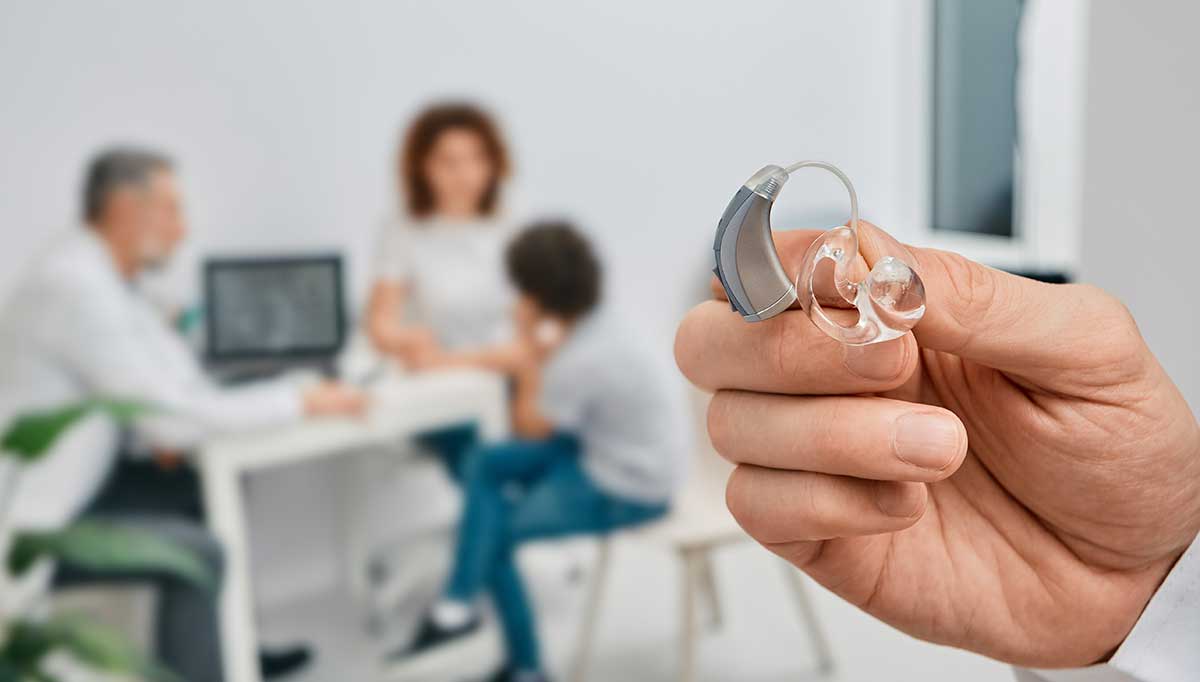
Ear protection should not be treated as a substitute for reducing exposure. The most effective strategy is usually to lower the sound, shorten the time around it, and increase distance from the source.
What about hydration, caffeine, and salt?
Hydration supports general health, but drinking extra water has not been shown to restore permanent hearing loss. Adequate fluid intake may still be useful during hot weather and exercise, particularly for people spending time outdoors.
Caffeine affects people differently. Some individuals notice that coffee, energy drinks, or other caffeinated products seem to worsen tinnitus, while others notice no change. A personal pattern is more informative than a universal rule. Abruptly stopping heavy caffeine use can also cause headaches, so changes are best made gradually if needed.
High sodium intake may contribute to elevated blood pressure in some people. Reducing heavily processed foods and choosing lower-sodium meals may support cardiovascular health. However, strict salt restriction should not be used as a treatment for hearing loss unless it is recommended for a specific medical reason.
Can diet and exercise prevent tinnitus?
Not reliably. Tinnitus may be related to noise exposure, age-related changes, earwax blockage, medications, jaw tension, hearing loss, or other medical factors. Healthy eating and regular activity may support overall well-being, but they do not eliminate every cause of ringing or other internal sounds.
A new, persistent, one-sided, or worsening tinnitus pattern deserves attention, especially if it occurs with dizziness, ear pressure, drainage, pain, or changes in hearing.
When is a hearing change urgent?
Sudden hearing loss in one or both ears should be treated as urgent, particularly when it develops over hours or a few days. Prompt medical evaluation matters because some causes are time-sensitive.
Other reasons to seek evaluation include:
- Hearing that is gradually becoming less clear
- Difficulty understanding speech in restaurants or group conversations
- Frequently increasing television or phone volume
- Repeatedly asking others to repeat themselves
- Tinnitus that persists or occurs mainly in one ear
- Dizziness, imbalance, ear pain, or drainage
- A noticeable change after a loud sound exposure
Diet and exercise are valuable parts of preventive health, but they do not replace hearing protection, medical care for sudden symptoms, or a hearing assessment when communication becomes difficult. A practical hearing-health plan combines cardiovascular wellness with sensible noise control and attention to changes that do not go away.